Momma T-Shirt Design Review
As a designer who spends half my life staring at stitch charts and the other half arguing with embroidery machines, I have learned to look past the pretty preview image. When I download a new T-Shirt Designs asset labeled as a Graphics file for commercial or personal use, my first instinct is skepticism. Will it translate? Will it hold up on cotton jersey? Will it look like a professional boutique item or a rushed hobbyist project?
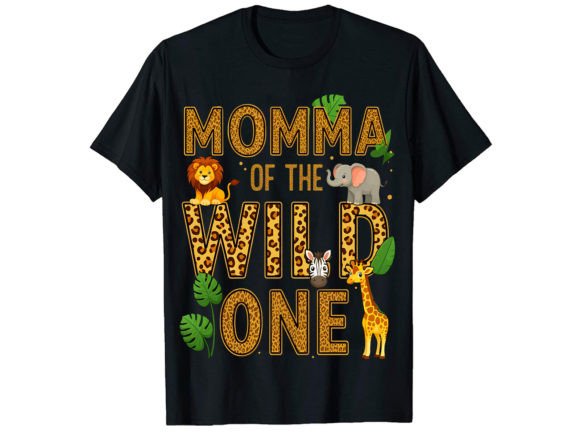
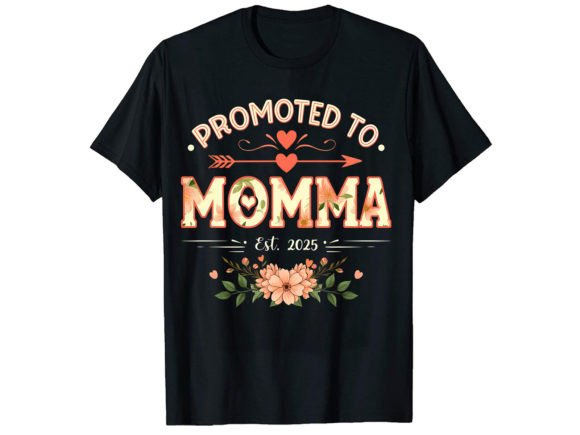
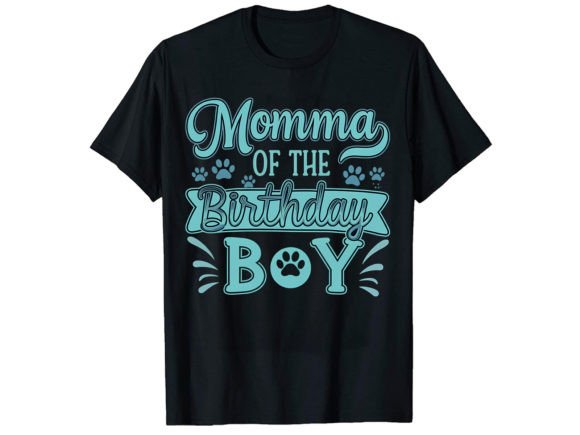
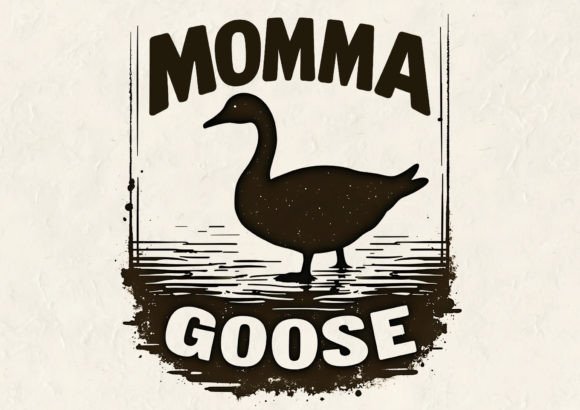
This review focuses on the Momma T-Shirt Design, a digital asset marketed heavily for apparel but described in its listing as a versatile graphic suitable for banners, posters, mugs, caps, and stickers. The package includes a high-resolution PNG (4500×5400 pixels at 300 dpi) and a mockup. While the source is a raster image rather than a native machine embroidery file (.pes, .dst, .xxx), this is actually a common workflow for modern craft businesses. Many sellers start with a high-quality vector or raster design and digitize it themselves, or they use direct-to-garment (DTG) and heat transfer methods where the PNG resolution matters most. However, for those planning to embroider this design, the transition from screen to fabric requires careful consideration.
First Impressions: Mood and Visual Personality
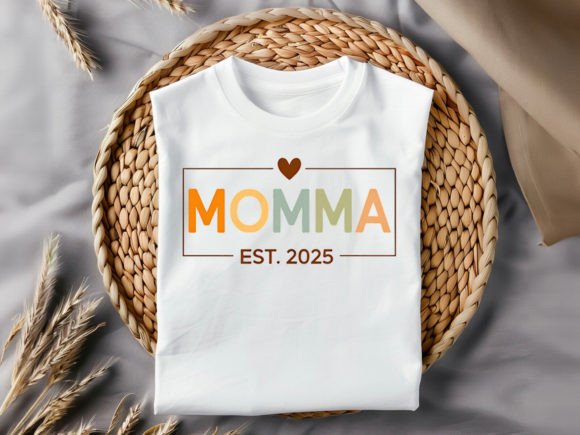
The moment you open the Momma T-Shirt Design, the intent is clear. It speaks directly to maternal pride, warmth, and family identity. The typography and layout are designed to be legible and emotionally resonant. In the world of handmade products, emotional connection drives sales. This design taps into that immediately. It feels less like a generic clip-art piece and more like a statement brand for a mother’s wardrobe.
Visually, the design has a balanced weight. It isn’t overly delicate, which is a good sign for embroidery. Delicate lines often get lost in the texture of t-shirt fabric. Instead, this design appears to rely on bold shapes and clear lettering, which suggests it will survive the translation process better than intricate, lace-like patterns. The visual personality is confident yet soft, making it suitable for a wide range of recipients, from new moms to grandmothers.
Real-World Application: From Screen to Stitch
Let’s talk about how this embroidery project plays out in reality. Imagine you are preparing a custom gift for a client or creating inventory for your Etsy shop. You have chosen a premium cotton blend t-shirt or perhaps a cozy hoodie. The Momma T-Shirt Design is centered on the chest or placed slightly off-center for a modern look.
When applied to custom apparel, such as a sweatshirt or a heavy-weight tee, the design shines. The thicker fabric provides a stable foundation, allowing the threads to sit flush without puckering. For a tote bag design, the durability of canvas pairs well with the sturdy nature of an embroidered graphic. It transforms a simple canvas bag into a personalized accessory that customers are proud to carry.
I also see strong potential in baby embroidery. Applying this design to a baby onesie or a burp cloth creates an immediate heirloom quality. Parents love gifts that feel special and enduring. The Momma T-Shirt Design works beautifully here because the sentiment translates perfectly to the parent-child relationship. Similarly, for holiday embroidery, especially around Mother’s Day or Christmas, this design serves as a reliable bestseller. It fits seamlessly into collections of personalized gifts that shoppers are hunting for during peak seasons.
Where Caution Is Required
Not every surface is created equal. As an experienced reviewer, I must highlight where this design might struggle. If you plan to use this for embroidered patches intended for curved surfaces like baseball caps, you need to be very careful. The curvature can distort the text if the digitization doesn’t account for compression. Furthermore, small hoop sizes limit the detail you can include. If the Momma T-Shirt Design contains tiny decorative accents or fine script, these may become muddy or illegible when stitched at a reduced scale.
Textured fabrics pose another challenge. A chunky knit sweater or a rough burlap tote might interfere with the needle penetration, leading to skipped stitches or uneven tension. Thin or stretchy fabrics, such as lightweight polyester performance wear, require excellent stabilizer support. Without it, the stitch density of the design could cause the fabric to pucker significantly, ruining the drape of the garment.
Dark fabrics also demand attention. If the design relies on light thread colors for contrast, ensure your digitizer has used underlay stitches effectively to make the top thread pop against the dark background. Otherwise, the design may look washed out or faint.
Impact on Product Value and Brand Trust
In the competitive landscape of Etsy seller markets and small shop product lines, presentation is everything. Using a high-resolution source like the provided 4500×5400 PNG allows you to create crisp printable mockups. These digital assets help buyers visualize the final result, increasing conversion rates. When a customer sees a sharp, professional representation of the Momma T-Shirt Design on a realistic model, their trust in the quality of the physical product increases.
The design’s versatility extends beyond clothing. It can serve as a core element for brand consistency across various touchpoints. Use it on tags, packaging inserts, or even as a watermark on your digital previews. This cohesion signals professionalism. Buyers associate clean, well-executed designs with reliable craftsmanship. Conversely, a poorly executed embroidery job can damage your reputation quickly. Therefore, the clarity of the original design assets is crucial for maintaining high standards.
Practical Notes for Embroidery Designers
If you are proceeding with digitizing or printing this design, follow these practical steps to ensure success:
- Test on Scrap Fabric: Never run a full production batch without testing on scrap material first. Check how the thread colors interact with your specific fabric dye lot.
- Review Stitch Density: Ensure the digitized version does not have excessive fill stitches that could stiffen the fabric unnecessarily. Balance is key for comfort.
- Confirm Hoop Size: Verify that your machine’s hoop can accommodate the design dimensions without awkward trimming or re-hooping.
- Inspect Small Details: Zoom in on the digital file. Are there any tiny elements that might break easily or get lost in the stitching process?
- Check Licensing: Before selling finished items or using this in a commercial embroidery business, carefully review the license terms included with the purchase. Some graphics allow commercial use for a limited number of items, while others require an extended license.
- Use Proper Stabilizer: Match your stabilizer to the fabric weight. Tear-away for wovens, cut-away for knits, and hooped stabilizers for delicate items.
Additionally, consider testing the design in black and white. This helps evaluate the composition and balance without the distraction of color. It ensures that the shape and layout work regardless of the thread palette you choose.
Final Verdict
The Momma T-Shirt Design is a solid choice for designers looking to add sentimental value to their product lines. Its clear visual hierarchy and emotional appeal make it suitable for a variety of applications, from sweatshirt embroidery to kitchen towel decorations. While it originates as a graphic, its adaptability allows it to shine in both print and embroidery contexts.
For craft business owners, this asset offers a low-risk entry point into the popular "mom" niche. By paying attention to fabric selection, stabilizer usage, and licensing details, you can transform this digital file into a high-quality finished product that delights customers. It is not just a design; it is a tool for building a brand that celebrates family and love. With careful execution, the Momma T-Shirt Design can become a staple in your catalog, driving engagement and repeat business among mothers and gift-givers alike.