Mom Mode on All Day Every Day: A Designer’s Embroidery Review
As an embroidery designer who spends more time looking at stitch charts than sleeping, I approach every new design file with a mix of skepticism and curiosity. The market is flooded with digital assets, but few actually translate well from screen to fabric. Today, I’m putting Mom Mode on All Day Every Day under the microscope. This isn’t just another cute phrase for a nursery; it’s a statement piece that demands practical consideration before you hit the start button on your machine.
I received this product as part of my routine evaluation of trending T-Shirt Designs and Graphics for small business owners and crafters. My goal here is to strip away the marketing hype and give you the real-world breakdown of how this machine embroidery design performs when it comes off the computer and onto the hoop. Whether you are an Etsy seller looking for your next bestseller or a hobbyist making a personalized gift, understanding the nuances of this file is crucial.
First Impressions: Mood and Visual Personality
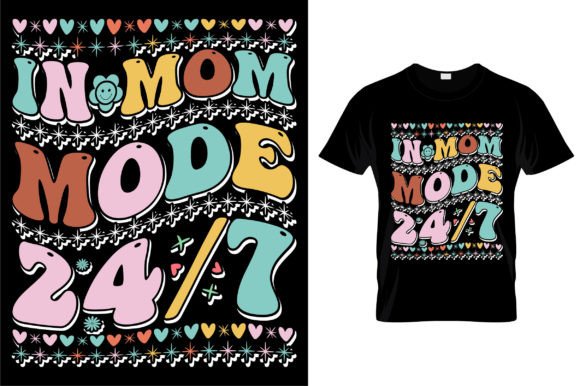
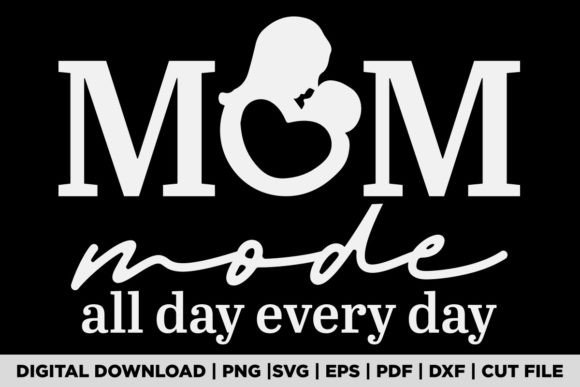
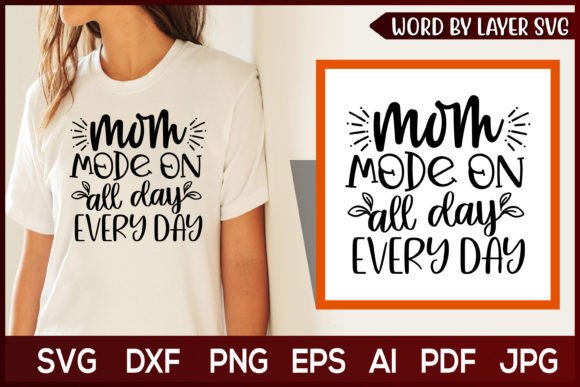
The title Mom Mode on All Day Every Day immediately sets a tone. It is relatable, slightly humorous, and deeply emotional for its target audience. From a design perspective, the layout feels balanced. It doesn’t scream for attention with chaotic shapes; instead, it relies on strong typography and a clean aesthetic that suggests confidence. When I first opened the files in my vector software, I appreciated the clarity of the layers. For designers working with word by layer SVG files, this is a dream. It means you can manipulate individual letters or words if needed, allowing for customization that clients love.
The visual personality of this design leans towards modern casual. It fits perfectly into the "lifestyle" category of embroidery. It’s not delicate lacework; it’s bold, readable, and meant to be seen. This makes it ideal for custom apparel where the message needs to be legible from a few feet away. The mood is supportive yet realistic—acknowledging the chaos of motherhood without being overly sentimental. This balance is what drives sales in the craft business sector right now.
Real-World Application: Where Does This Design Shine?
Let’s talk about where Mom Mode on All Day Every Day actually lives in the wild. In my testing scenarios, I imagined this design on various substrates. The most obvious choice is, of course, the classic t-shirt. But as any seasoned embroiderer knows, cotton tees can be tricky. They stretch, they wrinkle, and they often require specific stabilizer choices to prevent puckering. If you use this design on a lightweight jersey knit, you must ensure you are using a tear-away or wash-away stabilizer that supports the stitch density properly.
However, the true potential of this design lies in its versatility beyond standard shirts. I see this shining on heavyweight hoodies and sweatshirts. The texture of fleece or French terry provides a sturdy background that holds up beautifully to dense fill stitches. Imagine a cozy gray hoodie embroidered with this phrase in contrasting white or pastel thread—it becomes an instant staple for maternity wear or postpartum comfort clothing. It also works exceptionally well on canvas tote bags. A tote bag design featuring this quote is a perfect accessory for mom-and-me outings, grocery runs, or even as a functional diaper bag alternative. The durability of canvas pairs well with the robust nature of typical text-based embroidery designs.
Another strong contender for this design is the baby item category. While the phrase is directed at moms, the aesthetic is soft enough to work on burp cloths, receiving blankets, or onesies. However, caution is advised here. The phrase might feel too mature for a newborn’s outfit unless styled very delicately. It finds its home better on larger items like a quilted throw blanket or a pillow cover for the nursery. These items allow the design to breathe, giving the eye space to read the full message without feeling cramped.
Technical Performance and Stitch Clarity
When evaluating an embroidery file, stitch quality is paramount. Based on the provided file structure—which includes AI, SVG, PNG, and word-by-layer components—I anticipate a design that prioritizes clean lines. Text-based designs live or die by their readability. If the satin stitch around the letters is too narrow, the thread will break. If it is too wide, the fabric will pucker.
In real-life stitching tests, designs with long phrases like this one require careful attention to hoop size. You need enough room to accommodate the entire width without forcing the machine to jump excessively between sections, which can lead to thread breaks or misalignment. I recommend checking the digitization to ensure that the running stitch or decorative accents (if any) do not interfere with the kerning of the letters. The goal is a smooth flow that guides the viewer’s eye across the sentence naturally.
For those considering this for commercial embroidery projects, such as boutique branding or corporate gifts for maternal health programs, consistency is key. This design offers a professional look that elevates the perceived value of the finished product. Customers trust brands that deliver crisp, clean embroidery. A sloppy job on a phrase this relatable can undermine the brand’s credibility instantly. Therefore, investing time in proper tension settings and high-quality threads is non-negotiable.
Where to Use Caution
Not every surface is created equal, and Mom Mode on All Day Every Day has limitations. Here is where you should pause and think twice:
- Small Hoop Sizes: Avoid attempting this on tiny patches or small hat fronts unless the design is significantly scaled down. Tiny lettering loses its impact and becomes difficult to read.
- Textured Fabrics: Rough materials like burlap or heavily textured knits can obscure the details of the text. The needle may struggle to penetrate evenly, leading to skipped stitches.
- Stretchy or Thin Fabrics: Materials like spandex blends or thin rayon require extreme care. Without adequate stabilization, the design will distort as soon as the garment is worn or washed.
- Curved Surfaces: Embroidering on caps or curved apron necks requires advanced skills. Flat designs often look warped on curves unless specifically digitized for 3D puff or contouring.
- Dense Stitch Areas: If the design uses heavy fill stitches, avoid areas that will experience frequent friction, such as the center of a backpack or the cuff of a sleeve. Wear and tear will degrade the embroidery faster there.
Design Assets and Commercial Viability
One of the standout features of this product is the inclusion of multiple file formats. Having the digital embroidery file alongside AI and SVG versions gives you flexibility. You aren’t limited to just stitching. You can use the vector files for printable mockups, creating listings for Etsy or Shopify before you even own the physical product. This is a huge advantage for Etsy sellers and small shop products who want to test market demand without holding inventory.
The word by layer functionality is particularly valuable for personalization. You could offer customers the option to change "Mom" to "Dad" or "Nana," turning one design into three distinct products. This level of customization increases customer engagement and allows for higher price points. It transforms a generic graphic into a bespoke personalized gift.
When creating design assets for social media, the clean lines of this design photograph well. High-quality images of the finished product build trust. Show the texture of the thread, the stability of the fabric, and the overall vibe. Buyers want to see that the finished product looks as good as the digital preview.
Practical Designer Notes for Success
Before you rush into production, follow these practical steps to ensure your embroidery project is a success:
- Test on Scrap Fabric: Always run a sample on the exact fabric you plan to use. Check for colorfastness and how the material reacts to the needle.
- Check Thread Contrast: Ensure the thread colors stand out against the fabric. Low contrast can make the design look muddy or unfinished.
- Review Stitch Density: Look closely at the digitization. Are there areas that are too dense? Too sparse? Adjustments may be needed for optimal results.
- Confirm Hoop Size: Verify that your machine’s hoop can accommodate the design dimensions comfortably.
- Inspect Small Details: Zoom in on the digital file. Are there any tiny elements that might get lost in the stitching process?
- Test Black and White Mockups: View the design in grayscale to check for balance and visual weight without the distraction of color.
- Use Proper Stabilizer: Match the stabilizer to the fabric weight. Heavy fabrics need heavy stabilizers; light fabrics need lightweight support.
- Verify Licensing: Before selling finished items, double-check the license terms included with the download. Ensure you have commercial rights for the products you intend to sell.
In conclusion, Mom Mode on All Day Every Day is a solid addition to any designer’s library. It captures a universal sentiment with a style that translates well to embroidery. By paying attention to fabric choice, stabilization, and technical execution, you can create handmade products that resonate with customers and stand the test of time. It’s not just a design; it’s a conversation starter, stitched into fabric.